
-
28-04-2026
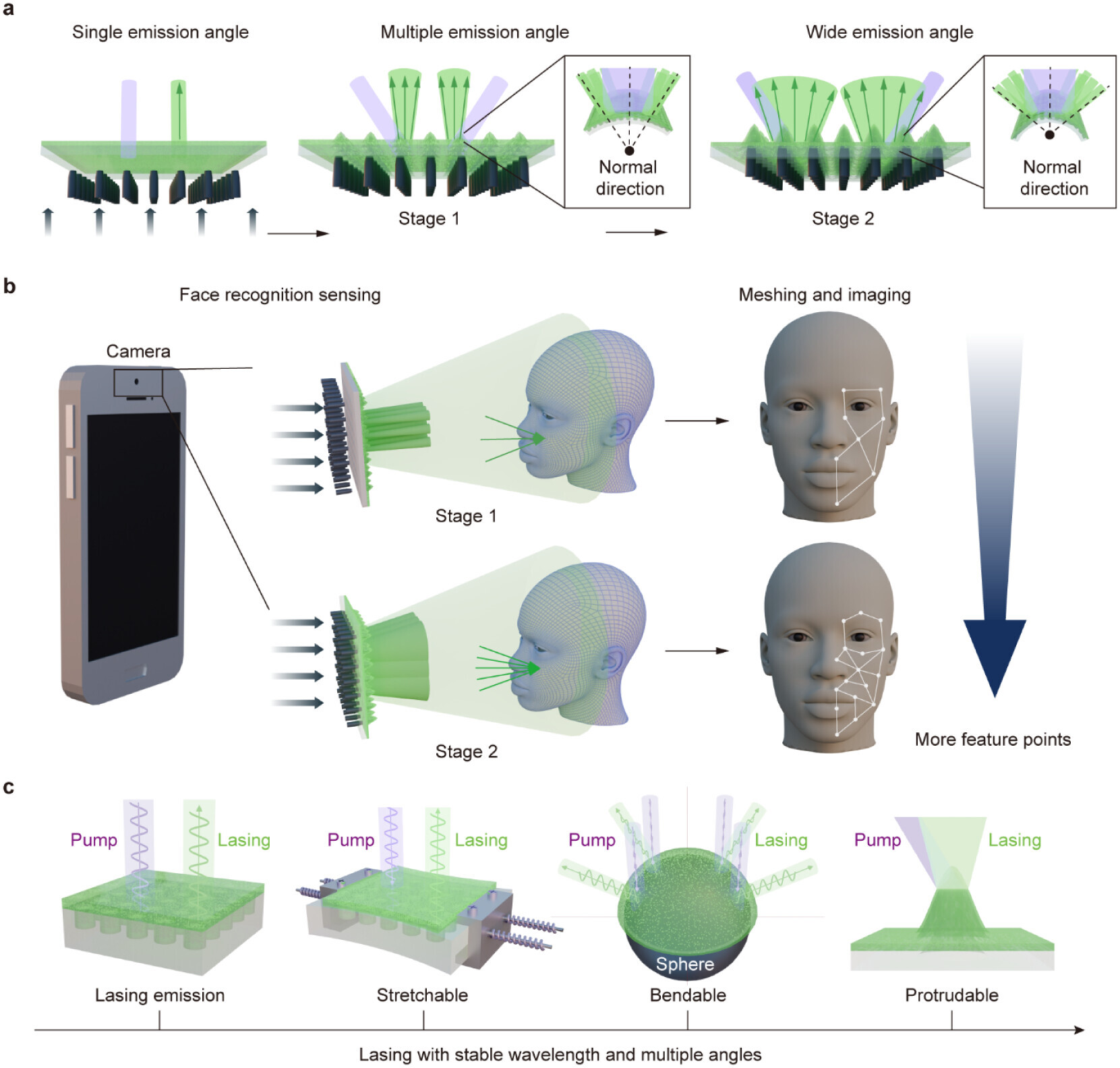
Quantum dots on flexible nanohole arrays support stable nanolasing
-
28-04-2026
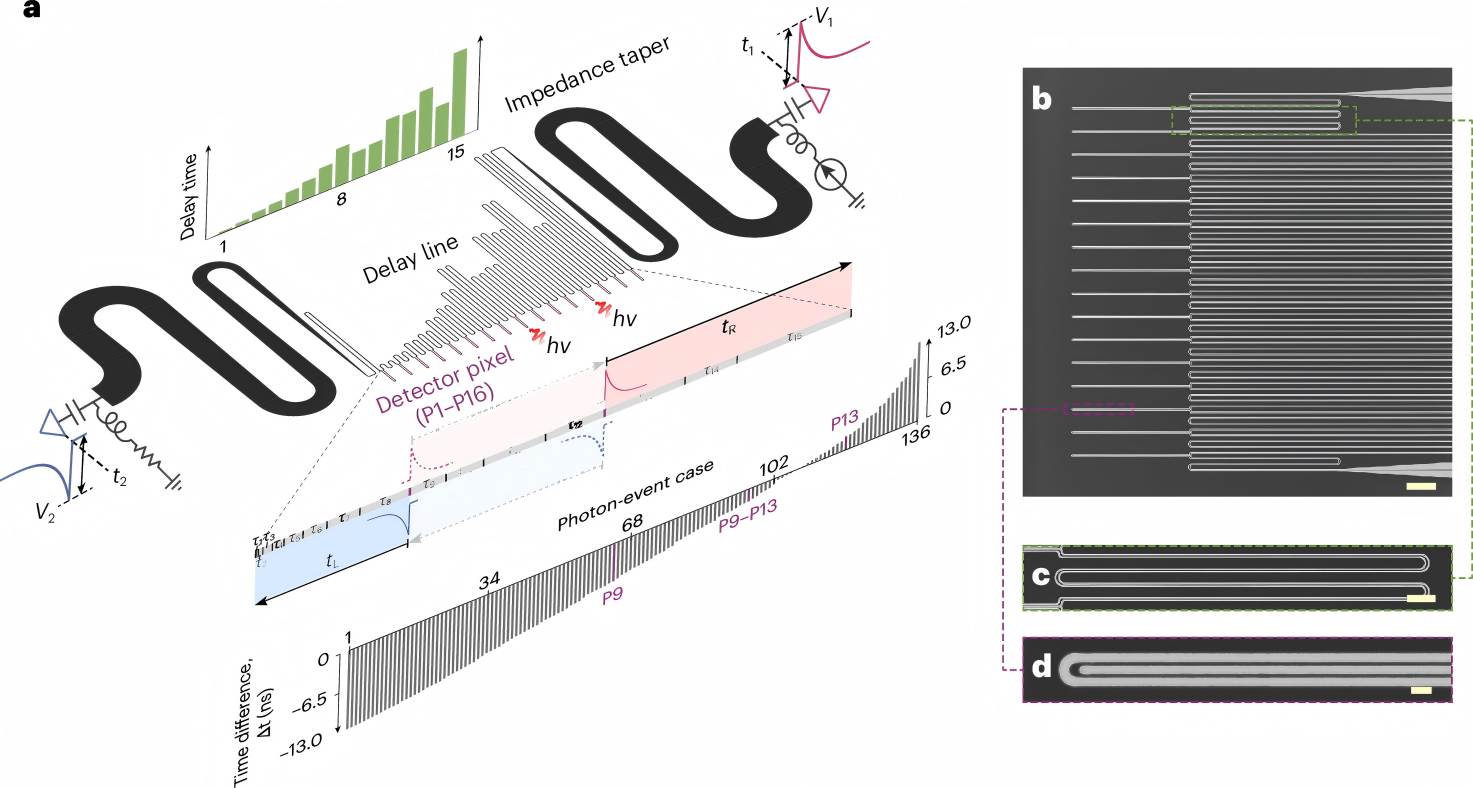
A superconducting nanowire two-photon coincidence counter with combinatorial time logic and amplitude multiplexing
-
28-04-2026
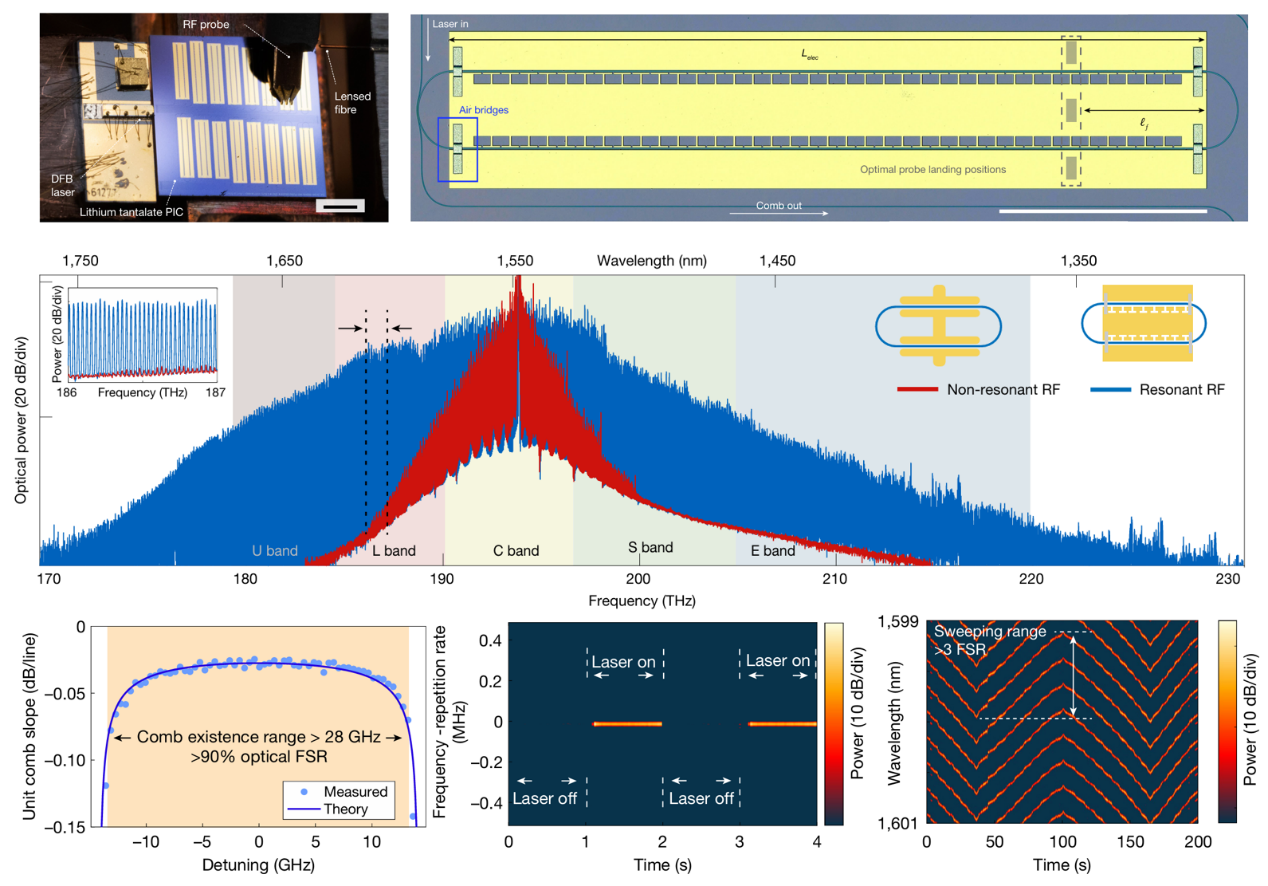
Ultrabroadband integrated electro-optic frequency comb in lithium tantalate
-
03-03-2020
Epitaxial Growth of 6 in. Single-Crystalline Graphene on a Cu/Ni (111) Film at 750 °C via Chemical Vapor Deposition
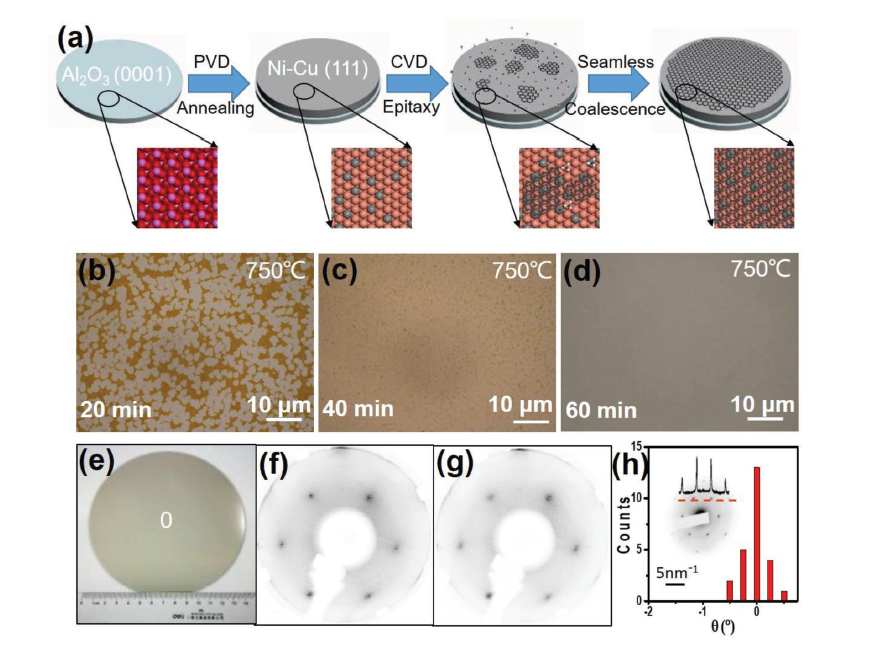
The future electronic application of graphene highly relies on the production of large-area high-quality single-crystal graphene. However, the growth of single-crystal graphene on different substrates via either single nucleation or seamless stitching is carried out at a temperature of 1000 °C or higher. The usage of this high temperature generates a variety of problems, including complexity of operation, higher contamination, metal evaporation, and wrinkles owing to the mismatch of thermal expansion coefficients between the substrate and graphene. Here, a new approach for the fabrication of ultraflat single-crystal graphene using Cu/Ni (111)/sapphire wafers at lower temperature is reported. It is found that the temperature of epitaxial...[ Learn more ]
-
03-03-2020
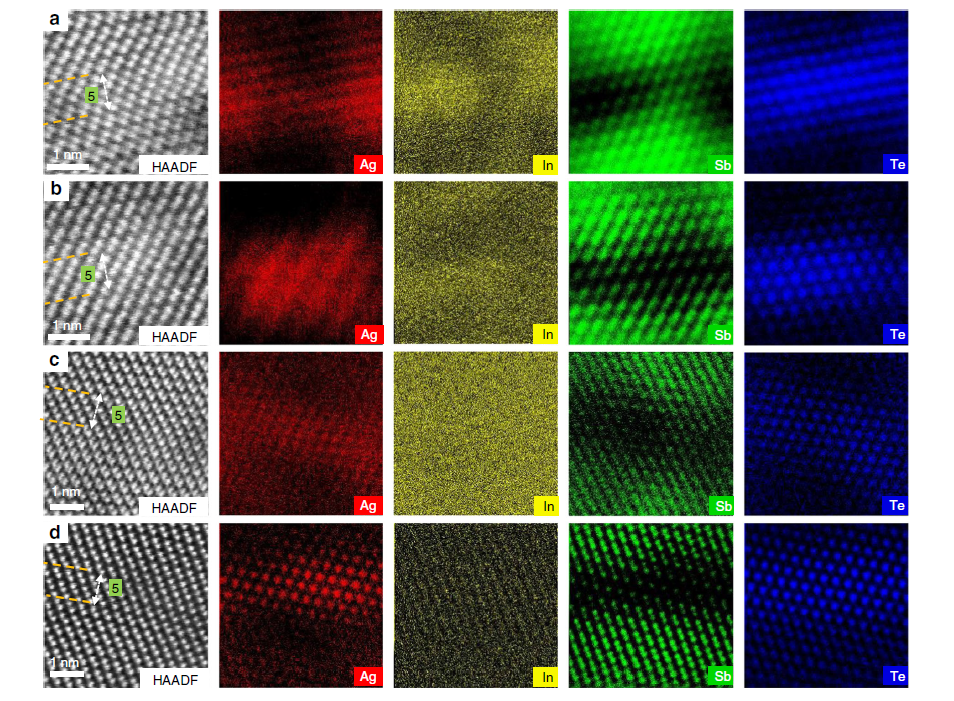
Direct atomic insight into the role of dopants in phase-change materials
Doping is indispensable to tailor phase-change materials (PCM) in optical and electronic data storage. Very few experimental studies, however, have provided quantitative information on the distribution of dopants on the atomic-scale. Here, we present atom-resolved images of Ag and In dopants in Sb2Te-based (AIST) PCM using electron microscopy and atom-probe tomography. Combing these with DFT calculations and chemical-bonding analysis, we unambiguously determine the dopants’ role upon recrystallization. Composition profiles corroborate the substitution of Sb by In and Ag, and the segregation of excessive Ag into grain boundaries. While In is bonded covalently to neighboring Te, Ag binds ionically. Moreover, In doping accelerates the crys...[ Learn more ]